'/%3E%3Cpath%20d='m454%20250-4%204-4-4c-3%203-9%205-9%205l2-5q-9%205-10%203c-1-1%2010-12%2012-26%200-1%203-18-8-13-2%201-4-5%200-7%203-2%2010-1%2011%200q1-2%203-2c2%200%2011%201%2014%206%202%205%202%2014%202%2015q0%2015%208%2027c-1%201-8-2-8-2v3s-7-2-9-4m-12-32c4%2014-9%2031-11%2033%2011%200%2012-10%2015-24l1%201c-2%2011-5%2022-8%2025l7-4%203-22h1l-3%2022%203%203%203-3-1-21h1l1%2021%208%203c-5-8-6-25-6-23h1c2%2012%203%2022%2012%2022-3-3-8-16-7-25q0-12-2-15-6-3-10%202-2%202-5-1c-2-2-1-2-6-4q-7-2-6%205s9-3%2013%205zm7-8q-3%201-1%202%203%200%201-2'/%3E%3C/g%3E%3C/svg%3E)
meta smart glasses public perception has officially reached a tipping point in 2026, forcing the tech giant into a massive public relations pivot. At this year’s Meta Connect event, the company unveiled its latest generation of wearable technology. However, instead of simply boasting about new AI capabilities, the presentation heavily focused on damage control regarding user privacy and societal pushback.

For years, wearable tech enthusiasts have praised the innovation behind these devices. Yet, the broader mainstream audience remains highly skeptical. The backlash against covert recording has become palpable, with critics flaming the devices on huge stages, and various public spaces outright banning them. This growing resistance has forced the manufacturer to radically rethink its hardware and software strategies.
Improving the meta smart glasses public perception at Meta Connect
The most glaring indicator that the company is feeling the heat is the introduction of Ray-Ban Audio. This is the manufacturer’s very first pair of smart frames launched entirely without a built-in camera. Releasing an audio-only model right now is a highly pointed business decision.
Without a camera, wearers cannot be accused of discreetly filming strangers in public. Furthermore, users no longer have to worry about their visual surroundings being harvested for AI training databases. This hardware change is a direct, calculated attempt to bring down the social heat and make the wearables socially acceptable again.
“The decision to launch a pair of audio-only smart glasses now of all times is a direct response to growing privacy concerns and consumer pushback.”
By removing the lens entirely from the equation, the brand hopes to win back consumers who value discretion. This shift acknowledges that ignoring the critics is no longer a viable corporate strategy.
| Device Model | Camera Included | Primary PR Goal |
|---|---|---|
| Ray-Ban Meta (Standard) | Yes (With capture LED) | Expand AI visual features |
| Ray-Ban Audio (New) | No | Alleviate covert recording fears |
Why meta smart glasses public perception required the Private Processing feature
Hardware changes are only half of the cleanup campaign. Software privacy is equally critical. To address deep-seated fears of data harvesting, the tech giant announced a new “Private Processing” feature. This system utilizes a Confidential Virtual Machine to handle complex AI cloud requests securely.
The primary function of Private Processing is to ensure that personal queries, interactions, and environmental data are encrypted and inaccessible—even to the company’s own servers. You can read more about their evolving privacy architectures directly on the Meta official newsroom.
Users were recently swept up in controversies when reports revealed that third-party contractors could view sensitive visual data to grade AI responses. By implementing strict, encrypted processing silos, the brand is offering an olive branch to a highly skeptical user base.
Marketing shifts to fix meta smart glasses public perception
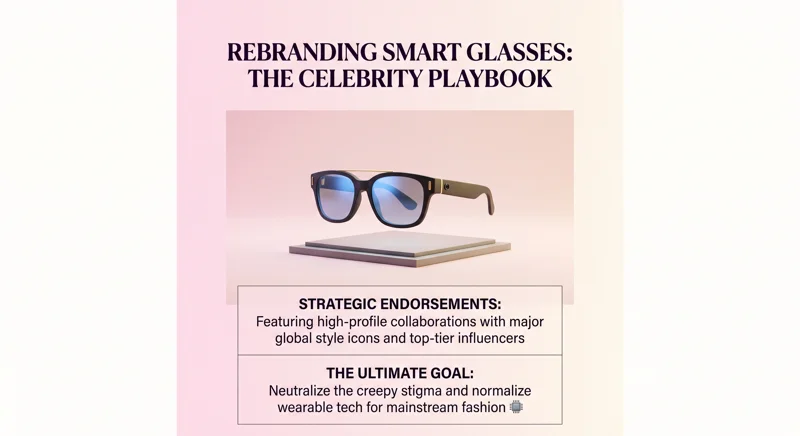
Beyond hardware and software, the company is drastically altering its marketing playbook. A massive component of the current PR cleanup involves leaning heavily on high-profile celebrity endorsements. Recently, the brand tapped Kylie Jenner to design and heavily market the first-party Starfire glasses.
At the latest Connect event, the company dipped back into this exact playbook by partnering with Blackpink’s Lisa. The decision to use globally recognized female celebrities is not a coincidence; it is a highly targeted psychological marketing tactic.
“By utilizing female celebrities in their campaigns, the brand hopes to neutralize the creepy, intrusive perception that has plagued wearable cameras.”
Historically, women have often been on the receiving end of the creepiness associated with covert recording devices. By showing influential women adopting and celebrating the product category, the marketing team is subtly trying to neutralize the “pervert” stigma attached to the hardware.
| Celebrity Partner | Associated Product | Marketing Objective |
|---|---|---|
| Kylie Jenner | Starfire Glasses | Mainstream fashion appeal |
| Blackpink’s Lisa | New Frame Styles | Global youth and female adoption |
Can celebrity endorsements save meta smart glasses public perception?
This year’s product showcase was less about proving the technological superiority of the wearables and more about proving they are socially safe. It remains to be seen whether a cute AI avatar, removed cameras, and massive celebrity endorsements can truly shift societal norms.
For users on the fence, the audio-only option and the promise of encrypted data processing might be enough to finally make a purchase. However, overcoming the deeply ingrained stigma of face-mounted computers will require consistent, long-term transparency.
Frequently Asked Questions about meta smart glasses public perception
What is driving the negative meta smart glasses public perception?
The negative perception is primarily driven by fears of covert recording, data privacy violations, and the potential for the integrated AI to harvest sensitive user imagery.
Are the new Ray-Ban Audio glasses equipped with a camera?
No, the Ray-Ban Audio model completely removes the camera to ensure that wearers cannot be accused of secretly recording those around them.
How does the new Private Processing feature protect user data?
It uses a Confidential Virtual Machine and encryption to process AI requests, ensuring the parent company cannot log or access your personal data.
Why is the marketing focused heavily on female celebrities?
Utilizing prominent female figures like Kylie Jenner is a strategic move to normalize the wearables and combat the stigma that the devices are inherently “creepy.”
Did the manufacturer remove cameras solely to improve meta smart glasses public perception?
Yes, introducing an audio-only variant is widely viewed as a direct response to the intense backlash against wearable recording devices in public spaces.
Are these smart devices being banned anywhere?
Yes, various public venues, private businesses, and certain regions in Europe have heavily restricted or banned wearable cameras due to strict privacy laws.
Will these new privacy updates permanently fix meta smart glasses public perception?
While the updates are a strong step forward in PR cleanup, fully changing societal acceptance will require years of proven data security and shifting cultural norms.
Disclaimer: This article is for informational purposes only. Features, product availability, and corporate privacy policies are based on announcements made at Meta Connect and may be subject to change.