The recent google ai mode higher prices study has sent shockwaves through the e-commerce industry in 2026. Consumers rely on artificial intelligence to simplify their daily tasks and streamline their online shopping. However, relying on these new automated search features might actually be costing you a significant amount of money.
Google recently updated its homepage, replacing the iconic search button with advanced AI tools. This shift represents the tech giant’s aggressive push into artificial intelligence. Unfortunately, the online shopping experience is undergoing a dramatic transformation that favors expensive vendors.
Breaking Down the Google AI Mode Higher Prices Study
A recent experiment conducted by the SEO firm Productrise uncovered a startling trend regarding consumer costs. They organized a comprehensive google ai mode higher prices study to analyze exactly how the new search interface displays product listings. The data paints a frustrating picture for budget-conscious buyers.
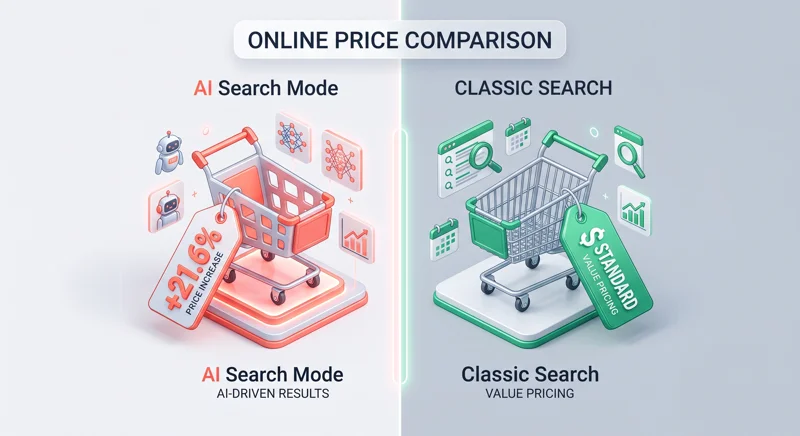
According to the findings in the google ai mode higher prices study, the exact same products are showing up at vastly different rates. On average, items recommended by the artificial intelligence feature are 21.6 percent more expensive compared to a traditional Google search.
| Search Method | Average Price Difference | Visibility Placement |
|---|---|---|
| AI Mode Search | +21.6% Higher | 49% Higher on Page |
| Traditional Search | Baseline Price | Lower on Page |
Why the Google AI Mode Higher Prices Study Matters for Shoppers
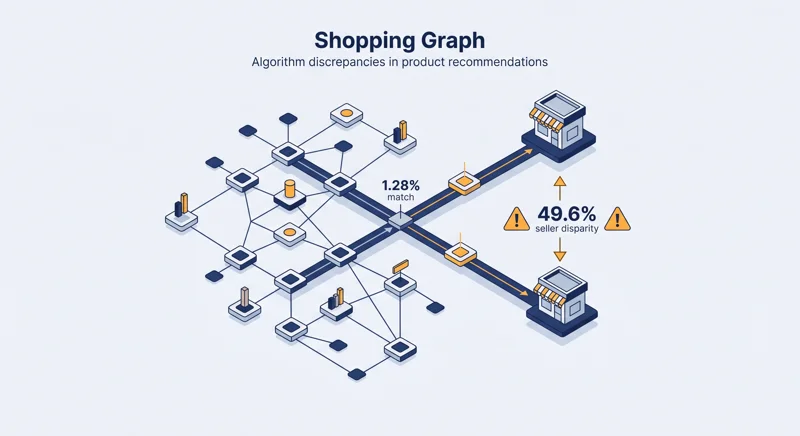
The artificial intelligence algorithm is aggressively prioritizing a completely different set of sellers. The primary vendor for the exact same product differed nearly 50 percent of the time between the two search modes. The google ai mode higher prices study proves that AI is pushing a less budget-oriented group of retailers.
Furthermore, these expensive listings are far more visible to the average user. They sit 49 percent higher on the search results page than traditional e-commerce listings. This prominent placement tricks rushed shoppers into paying premium prices.
AI search was supposed to eliminate the friction of comparing prices across five different tabs, but if it only serves pricier inventory by default, it hasn’t saved us any work.
Surveillance Pricing and the Google AI Mode Higher Prices Study
This controversy arrives right as lawmakers are investigating the concept of “surveillance pricing.” This is a controversial practice where corporations use AI to analyze consumer data and tailor price tags in real-time. The google ai mode higher prices study is adding fuel to this ongoing regulatory fire.
While the google ai mode higher prices study does not outright prove that price discrimination is happening based on personal data, the discrepancy is highly suspicious. It raises valid questions about how AI arrives at its shopping recommendations.
Google has defended its platform, stating that all shopping results are powered by the same underlying data source. The company claims that the Google Shopping Graph powers both traditional search and AI mode. You can read more official updates on the Google Search Blog.
Consumer Reaction to the Google AI Mode Higher Prices Study
Despite the inflated numbers presented in the google ai mode higher prices study, many smart consumers are refusing to take the bait. Research indicates that buyers are actively clicking past the prominent AI features. They prefer to scroll down and find the actual best value in traditional organic search results.
| Metric Analyzed | Percentage / Finding |
|---|---|
| Product Overlap (Same Day) | Only 1.28% |
| Seller Difference (When Overlapped) | 49.6% Different |
Independent SEO consultants note that price might not carry as much weight in the AI algorithm as originally expected. Users are adapting by treating the AI module as a starting point rather than a final destination for purchases.
While the higher price might be displayed within the grid result in AI Mode… what we tend to see is that the retailer with the lowest price gets the click in the end.
Final Thoughts on the Google AI Mode Higher Prices Study
The ultimate promise of automated technology was to make shopping faster, cheaper, and easier. Unfortunately, the results from the google ai mode higher prices study suggest the exact opposite is happening in 2026. Advertisers and everyday consumers are losing control over the digital shopping experience.
As we navigate this new era of automated internet browsing, it pays to double-check your options. Always compare the AI recommendations against traditional search results to ensure you are getting a fair deal. The google ai mode higher prices study serves as a critical warning for anyone who buys products online.
Frequently Asked Questions
What exactly did the google ai mode higher prices study reveal?
The study revealed that products recommended in Google’s AI Mode are on average 21.6 percent more expensive than the exact same products found via traditional search.
Who conducted the google ai mode higher prices study?
The experiment and subsequent report were conducted by Productrise, an e-commerce SEO company analyzing the differences between AI and traditional search results.
What is surveillance pricing?
Surveillance pricing is a controversial practice where companies use artificial intelligence to analyze a consumer’s personal data to dynamically change price tags in real-time.
How does Google explain the price differences?
Google states that both traditional search and AI Mode are powered by the exact same data source, known as their Shopping Graph, and encourages users to click through to compare retailers.
Are the AI Mode product listings more visible?
Yes, the study found that AI Mode listings sit about 49 percent higher on the page than traditional search listings, making them much more visible to the user.
Do traditional search and AI search ever recommend the exact same seller?
It is rare. The study showed that only 1.28 percent of products appeared in both modes for the same search on the same day, and the seller differed almost 50 percent of the time.
Are consumers actually buying these more expensive products?
Not always. Data shows that many consumers are clicking past the expensive AI recommendations to find the traditional search results where they can purchase the item for a lower price.
Disclaimer: This article is for informational purposes only. E-commerce pricing algorithms and search engine features are constantly evolving and subject to change by the provider.